

 See My Latest Article on HelloNation
Is aquamation safe for a pet and the household?
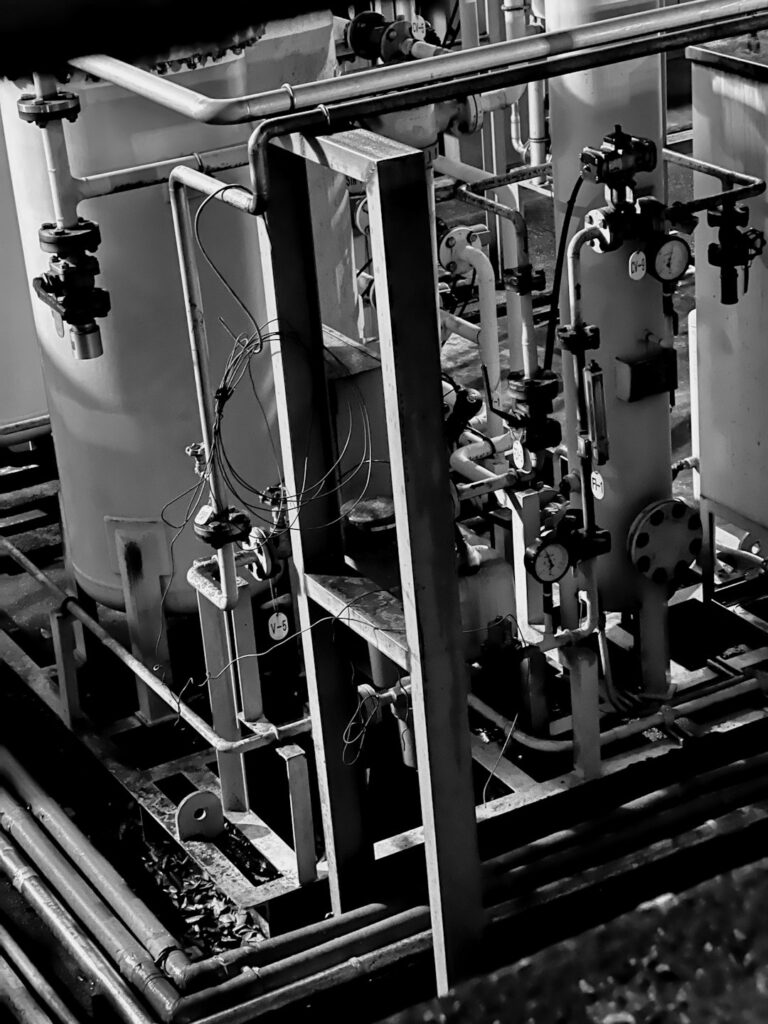
Yes. When performed in a properly designed and regulated facility, aquamation is generally considered a safe method of aftercare for companion animals. The process takes place inside a sealed vessel operated with water, heat, pressure, and an alkaline chemical solution. Pet owners and household members should not come into contact with the solution or the materials inside the vessel.
Aquamation is also called alkaline hydrolysis or water-based cremation. Instead of using an open flame, the process uses heated water and an alkaline agent to break down soft tissue. The remaining bone mineral is dried and processed into a material that resembles cremated remains.
The main safety question is not whether the chemistry exists—it is whether the equipment, operating procedures, employee training, and wastewater handling are appropriate.
What happens during the process?
A pet is placed inside a closed stainless-steel vessel with water and a carefully measured alkaline solution, commonly sodium hydroxide or potassium hydroxide. Heat and pressure accelerate the natural breakdown of tissue.
During a completed cycle:
- Soft tissue is converted into water-soluble compounds such as amino acids, peptides, soaps, salts, sugars, and other organic materials.
- Heat and alkaline conditions help inactivate many bacteria, viruses, and other biological hazards.
- Bone minerals remain and are later dried and reduced to a fine material.
- Non-organic items, such as certain metals or medical components, may remain and must be separated or handled according to facility procedures.
The vessel is closed throughout the cycle. This is different from attempting any form of chemical treatment at home, which would be dangerous and inappropriate.
The U.S. Environmental Protection Agency describes alkaline hydrolysis as a contained process using hot sodium hydroxide and notes that the resulting liquid requires proper management. Technical EPA materials also explain that the process liquid may need cooling, testing, and neutralization before disposal. ([epa.gov](https://www.epa.gov/disaster-debris/management-options-materials-and-wastes-disasters?utm_source=openai))
Can the chemicals harm family members?
Under normal operating conditions, family members should not be exposed to the alkaline solution. The chemicals are handled by the facility, not by the pet’s household.
The solution used in aquamation can be strongly alkaline before treatment. Direct contact could irritate or burn skin and eyes, which is why facilities must use sealed equipment, protective procedures, chemical storage controls, and appropriate spill-response measures.
A responsible facility should be able to explain, in plain language:
- Whether the vessel is sealed during processing
- How chemical handling and storage are controlled
- What happens if equipment leaks or malfunctions
- How the process liquid is cooled, neutralized, and discharged
- How employees are trained to respond to spills or emergencies
Pet owners should not be asked to handle process water, clean the vessel, or transport untreated remains in a way that creates chemical or biological exposure.
Does aquamation spread disease?
Aquamation can reduce biological hazards because the combination of heat, pressure, and alkaline conditions is designed to break down organic material and inactivate many disease-causing organisms. EPA materials identify alkaline hydrolysis as a treatment that can be suitable for viruses, bacteria, and some highly resistant agents. ([epa.gov](https://www.epa.gov/disaster-debris/management-options-materials-and-wastes-disasters?utm_source=openai))
That does not mean every pet can automatically be processed without special instructions. A veterinarian should be told about any known or suspected infectious disease, unusual illness, or public-health concern before aftercare arrangements are made.
Extra precautions may be appropriate for pets that died from:
- A reportable or highly contagious disease
- A suspected zoonotic infection, meaning an illness that can affect people
- An unexplained illness involving severe respiratory, neurologic, or gastrointestinal signs
- Exposure to hazardous chemicals or toxins
The safest approach is to follow the attending veterinarian’s directions. A pet’s body should not be opened, washed, treated, or transported by household members when a contagious disease or chemical exposure is suspected.
Are the returned remains safe to keep?
The bone material returned after aquamation is generally handled in a way similar to cremated remains. Once the process is complete and the material has been dried and processed, it is not the same as the original chemical solution or untreated biological tissue.
Families commonly keep the remains in an urn, memorial container, or another dry, secure location. As with any mineral powder, the material should not be intentionally inhaled, eaten, or scattered where children or animals could ingest it.
Practical precautions include:
- Keep the container closed when it is not being used.
- Store it above the reach of young children and pets.
- Wash hands after handling the material or its container.
- Do not mix the remains with food, pet treats, or household products.
- Follow local rules before placing remains in soil or water.

Aquamation does not guarantee that every implant, tag, collar component, or foreign object disappears. Items such as metal may remain and should be identified and handled separately.
Is aquamation safer than flame cremation?
“Safer” depends on what risk is being measured. Aquamation does not involve combustion, so it avoids the smoke, fuel combustion, and direct flame associated with flame-based cremation. It also produces a wastewater stream that must be properly treated and managed.
Flame cremation has its own established operating controls, while aquamation has different concerns, particularly chemical handling and wastewater discharge. Neither process is safe when poorly designed, improperly maintained, or operated outside applicable requirements.
The EPA identifies both the benefits and limitations of alkaline hydrolysis. It describes the process as tightly contained but also notes that the resulting liquid can have high oxygen demand and may create disposal challenges for wastewater systems. ([epa.gov](https://www.epa.gov/agriculture/carcass-management-non-diseased-animals?utm_source=openai))
For households in Moore, seasonal heat, severe storms, and varied housing arrangements may make secure transportation and temporary storage especially relevant. A pet should remain in a cool, protected location while arrangements are being made, and containers should be kept away from heat, flooding, children, and other animals.
What environmental safeguards matter?
The liquid produced by aquamation cannot simply be poured onto the ground, into a storm drain, or into a household sink without considering local requirements. Its pH, temperature, organic content, and other characteristics may affect whether a wastewater system can accept it.
Oklahoma’s environmental rules address water quality protection, wastewater systems, pollution control, and related discharge requirements. The state Department of Environmental Quality explains that water-quality standards are intended to protect human health and aquatic life, while its rules cover areas such as water pollution control and wastewater treatment. ([oklahoma.gov](https://oklahoma.gov/deq/rules-and-regulations.html?utm_source=openai))
That means the facility—not the pet’s family—should be responsible for determining how process liquid is treated and disposed of. A facility that cannot clearly explain its wastewater procedures deserves careful scrutiny.
What should families ask before choosing aquamation?
A short set of practical questions can clarify whether safety is being taken seriously:
- Is the process performed in a sealed, purpose-built vessel?
- Are chemicals stored and handled under written safety procedures?
- How are spills, leaks, and equipment failures managed?
- How is the process liquid tested, neutralized, and disposed of?
- What precautions apply if the pet had a contagious disease?
- How are metal implants and other non-organic items handled?
- What measures prevent the remains of different pets from being mixed?
- Are the returned remains clearly identified and securely packaged?
Aquamation is not a do-it-yourself process, and its safety depends on controlled equipment and responsible waste management. For most families, the completed remains can be handled as a memorial material, while the chemical and wastewater risks should remain within the facility’s controlled operations.