

 See My Latest Article on HelloNation
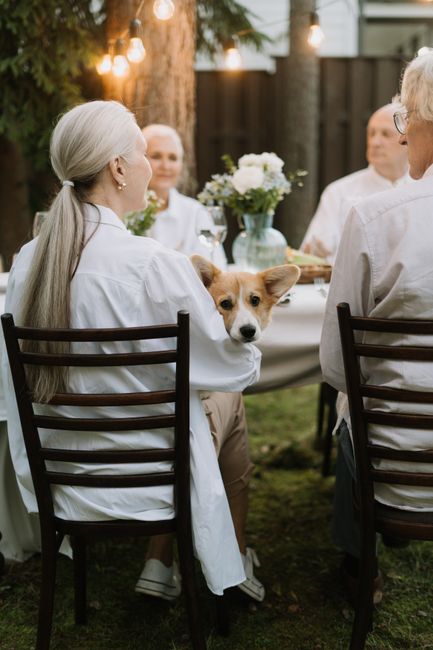
Can a memorial service be held after pet aquamation?
Yes. A memorial service can take place after pet aquamation, whether the family receives the pet’s processed remains in an urn, a temporary container, or another memorial vessel. The service may be held days, weeks, or even months later.
A memorial does not depend on the timing of aftercare. It is a gathering that gives family members and friends a chance to acknowledge the pet’s life, share memories, and mark the change in the household. Some families prefer a private ceremony shortly after the remains are returned. Others wait until relatives can attend or until emotions feel more manageable.
There is no single correct format. The service may be religious, spiritual, secular, informal, or simply a quiet family gathering.
What does a post-aquamation memorial service usually include?
A service after aquamation often centers on the pet’s remains, photographs, personal items, and memories. The urn may be placed on a table with a collar, favorite toy, blanket, paw print, or framed photograph.
Common elements include:
- A short welcome or statement about the pet
- Shared stories from family members and friends
- Reading a poem, prayer, letter, or favorite passage
- Playing music associated with the pet
- Lighting a candle or placing flowers nearby
- Displaying photographs from different stages of the pet’s life
- A moment of silence
- Planting a tree, flower, or container garden in memory of the pet
- Allowing children to draw pictures or write notes
Some families hold a larger gathering, while others invite only the people who lived with or regularly cared for the animal. A memorial can also be held outdoors, although weather and temperature should be considered carefully.
Is it better to hold the service before or after the remains are returned?
Holding the service after the remains are returned can provide a sense of completion for families who want the urn present. It also allows people to include the pet’s physical remains in the ceremony without rushing the planning process.
A service before the remains are returned may be preferable when family members need to gather sooner, when relatives are visiting briefly, or when the household wants to say goodbye at the time of the pet’s passing. In that situation, the later return of the remains can be marked with a smaller private ritual.
Neither choice is more respectful. The right timing depends on travel schedules, emotional readiness, household traditions, and whether the family wants to include the urn in the ceremony.
How can families include children in the memorial?
Children often benefit from having a clear, age-appropriate role. A memorial may help them understand that death is permanent while also giving them a safe way to express sadness.
Children can participate by:
- Drawing a picture of the pet
- Choosing a photograph or song
- Sharing a favorite memory
- Writing a short note to place near the urn
- Helping arrange flowers or keepsakes
- Reading a brief sentence or poem
- Taking part in a planting ceremony
Adults should use direct but gentle language. Saying that the pet died is generally clearer than saying the pet “went to sleep,” which can confuse younger children or create fear about ordinary sleep. Children should not be pressured to speak publicly or touch the urn.
Can the remains be present at an outdoor memorial?
Yes, but outdoor conditions matter. Moore has hot summers, strong sun, sudden storms, and seasonal wind that can affect candles, flowers, photographs, paper materials, and the stability of an urn or memorial table.
For an outdoor gathering, choose a shaded and secure area when possible. Use weighted objects for photographs and decorations, keep ashes and the urn protected from moisture, and have an indoor alternative if severe weather develops. During hot weather, pets’ remains and memorial materials should not be left in a parked vehicle or exposed to prolonged direct sunlight.
If the family plans to scatter or bury the remains outdoors, check applicable property rules and obtain permission when the land is not privately owned. Scattering should also be avoided near drainage areas, playgrounds, food-growing areas, or places where wind could carry the remains toward other people’s property.
Can the aquamation remains be divided among family members?
In many cases, families choose to divide a portion of the remains among relatives or place small amounts in keepsake items. This may allow one household member to keep an urn, another to have a memorial pendant, or several family members to maintain separate remembrance spaces.
Before dividing the remains, the family should decide who will handle them and what containers will be used. Clean, dry, sealable containers are appropriate for temporary storage. Each container should be labeled clearly to prevent confusion later.
If multiple family members share responsibility for the remains, it helps to discuss the plan in advance. Disagreements about urn placement, burial, scattering, or keepsakes can be painful after the service, especially when people are grieving.
What if the urn has not arrived before the memorial?
A memorial service can still be held without the urn. A framed photograph, collar, favorite toy, blanket, or paw print can serve as the central remembrance item. Some families place an empty box, candle, or flower arrangement where the urn will later be displayed.
A later home ritual can acknowledge the return of the remains. This might involve placing the urn in its permanent location, reading a letter, sharing a meal, or inviting close family members to visit quietly.
The absence of the urn does not make the memorial incomplete. The purpose of the gathering is remembrance, not presentation.
Are there special considerations for apartment and suburban households?
Households with limited outdoor space can create meaningful memorials indoors or on a small patio. A shelf, cabinet, or table can hold the urn alongside photographs and keepsakes. A container plant may provide a living memorial without requiring access to a yard.
In neighborhoods with close property lines, shared outdoor spaces, or homeowners’ association rules, families should avoid placing permanent markers or scattering remains without confirming that the location permits it. Indoor memorials are often simpler when access, weather, pets, or future housing changes are concerns.
A memorial location should also be safe from children, other animals, moisture, and accidental damage. Keeping the urn away from direct sunlight and areas with frequent handling can help preserve the container and its contents.
Does a memorial service need to follow religious traditions?
No. A memorial can follow any tradition that feels appropriate to the family. Some people choose prayers or religious readings, while others prefer personal stories, music, quiet reflection, or a symbolic act such as planting flowers.
A simple structure can make planning easier:
1. Welcome those who are present.
2. Say a few words about the pet’s life.
3. Invite memories or readings.
4. Hold a quiet moment.
5. Close with a personal statement, prayer, or shared activity.
The service does not need to be long. A gathering of ten minutes may be meaningful, especially when emotions are intense.
What should families remember about grieving after aquamation?
Aquamation changes the aftercare process, but it does not remove grief. Some people feel comfort when the remains return, while others experience renewed sadness. Reactions may differ among family members, even when everyone loved the same pet.
A memorial service can create space for those differences. One person may want to speak, another may prefer to listen, and someone else may need a private moment afterward. Respecting those preferences can make the gathering more supportive.
For residents in Moore, a memorial may be held at home, in a private yard, or at another permitted setting that feels connected to the pet’s daily life. What matters most is that the ceremony reflects the relationship and gives the household a meaningful way to remember.