

 See My Latest Article on HelloNation
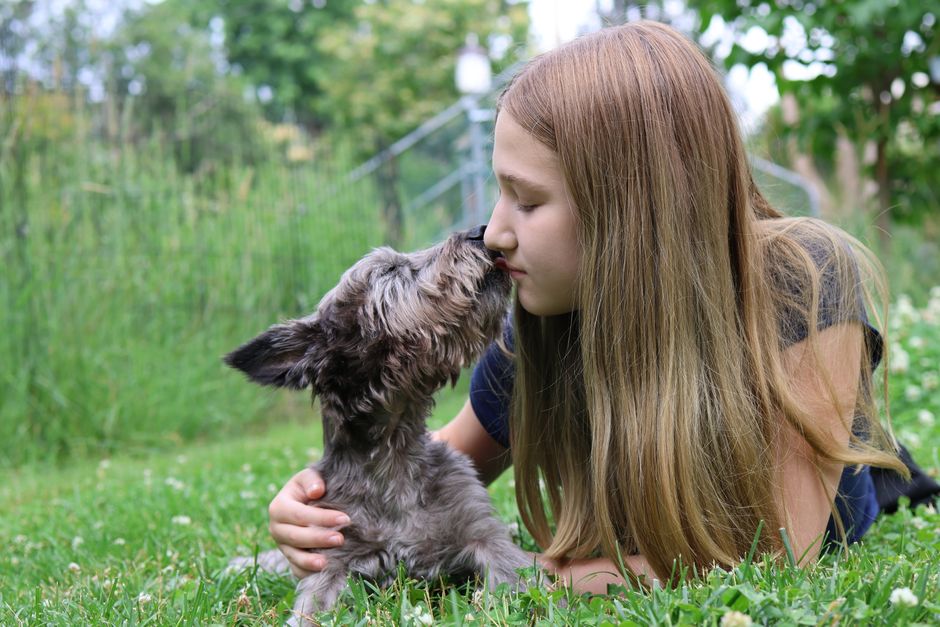
What Should Moore, OK Residents Know About Aquamation and Traditional Pet Burial?
Residents exploring options after the loss of a pet in Moore, OK typically consider two main choices: aquamation and traditional burial. Each option has unique qualities, local considerations, and personal implications that can shape a family’s experience.
Aquamation, also called alkaline hydrolysis, is a water-based process that reduces remains to bone ash, similar to cremation, but without flame. Traditional burial means placing a pet’s body in the ground, either at home (when allowed) or in a pet cemetery.
Both choices are valid and respectful, but practical, environmental, legal, and emotional factors can help residents make the best decision for their circumstances.
How Does the Local Climate and Soil Impact Burial in Moore?
Short Answer: Moisture and clay content in the area’s soil can affect natural decomposition and burial logistics.
The moderate rainfall and clay-rich soil common in Moore’s residential neighborhoods can slow down decomposition. Dense or wet soils may also make backyard digging strenuous, especially after storms or in cooler months. If a family chooses home burial, it’s important to know:
- The site must be well-drained and away from creeks or flood-prone spots.
- Seasonal weather affects digging, especially during wet spring months when soil may be too saturated.
- Wildlife can sometimes disturb shallow graves, so extra consideration for depth and security is useful.
Pet cemeteries in or near the city are generally prepared for these conditions, but backyard or rural burials require careful site selection and compliance with local property regulations.
Is Aquamation Allowed and Accessible in Moore?
Short Answer: Aquamation is recognized as a legal and available option for residents.
Oklahoma permits aquamation for pets, and Moore-area households can opt for this choice if it aligns with personal values or logistical needs. Aquamation takes place in a facility, so the process is unaffected by soil, weather, or climate. For families seeking a more “hands-off” approach, or for those in apartments or rental homes without private land, aquamation can be a practical alternative.
Moore’s urban layout, with many single-family homes and some multifamily housing, means not all families have land suitable or allowed for burial. Aquamation circumvents that limitation, ensuring every family has access to a respectful process regardless of property size or neighborhood.
How Do Environmental Impacts Compare?
Short Answer: Aquamation typically has lower overall environmental impact compared to traditional burial.
Aquamation uses less energy than flame-based cremation and does not produce airborne emissions. Its water use is generally modest, with chemicals used in the process being neutralized before disposal.
Traditional burial might seem green at first glance, but practical factors matter:
- Decomposition in dense or cold soil is slower and can sometimes lead to groundwater concerns if a site is near creeks or in low-lying flood zones.
- Some burial methods use caskets or liners that may resist decomposition.
- Home burials, if not performed carefully, can impact soil or attract scavenging wildlife.
For residents especially concerned about ecological impact or living near sensitive environments, aquamation is often perceived as the gentler choice.
What Legal and Regulatory Issues Should Be Considered?
Short Answer: Home burial is subject to city, county, or HOA rules, while aquamation is consistently regulated at provider facilities.
Moore’s local ordinances generally allow pet burial on private property with certain conditions—typically specifying burial depth, distance from water sources, and proper containment. Renters and those in neighborhoods with HOAs should confirm restrictions before proceeding.
Aquamation, meanwhile, is performed by licensed facilities where regulatory compliance is handled by specialists. For families who want to avoid paperwork or local zoning concerns, choosing an external process removes the risk of accidentally violating a rule.
What Emotional and Cultural Aspects Matter Most to Families?
Short Answer: Preferences vary; some find comfort in a home burial, while others prefer the simplicity or symbolism of aquamation.
Some families in Moore value the tradition of a backyard grave, especially if the home is a long-term residence and the site can be visited in the future. Burial can allow for rituals such as placing mementos or planting flowers nearby. However, those living in apartments, transitional housing, or planning to move may not be able to sustain a gravesite.
Aquamation, by comparison, offers flexibility in memorialization. The resulting ashes can be kept, scattered, or even incorporated into art or jewelry. This can be meaningful for those not attached to a particular piece of land, or for families desiring a portable remembrance.
Expectations around ceremonies, religious beliefs, and family discussions all play a part in what “feels right” during a difficult time.
Practical Examples and Common Misconceptions
Short Answer: Many misunderstand the permanence and responsibilities of each method.
- Some assume home burial is always legal or simple, but land restrictions and responsibilities for future property owners should be considered.
- Aquamation is sometimes mistaken as less “real” or “hands-on,” but it delivers remains (bone ash) similar to traditional cremation—which families can choose to memorialize.
- Moving from a home with a backyard grave later on may be emotionally challenging, especially for children.
- Biodegradable burial products are available, but will not always decompose quickly in Moore’s heavy soils.
Understanding the practicalities—such as weather-related limits on burial, or the permanence of aquamation remains—can help families avoid regrets.
How Do Costs, Timelines, and Convenience Play a Role?
Short Answer: Costs can vary by provider or cemetery, but neither option is universally cheapest or fastest; timelines and effort often guide decisions.
Traditional burial may seem lower cost (especially for private landowners), but fees at pet cemeteries or for specialized burial containers can add up. Home burial also requires physical effort and may need additional purchases such as shovels, grave markers, or covers.
Aquamation is handled completely offsite and has a defined timeline (usually several days). The family receives remains in a secure manner, without the need to manage logistics at home. For those with mobility challenges or busy schedules, this convenience factor is significant.
Cost comparisons should be made based on specifics—such as pet size, equipment used, and whether a marker is desired—rather than broad assumptions.
How Can Moore Residents Decide What’s Right for Their Family?
Short Answer: The “right” choice depends on property access, regulations, environmental priorities, emotional needs, and practical realities.
Residents who value outdoor rituals, have suitable private property, and wish for a permanent gravesite may gravitate toward traditional burial. Those concerned with environmental factors, restrictions on land use, or the ability to keep ashes (and take them if moving) may find aquamation a better fit.
Discussing as a household—and considering the local landscape, housing, and future plans—can help area families make thoughtful, meaningful arrangements during a difficult season.