

 See My Latest Article on HelloNation
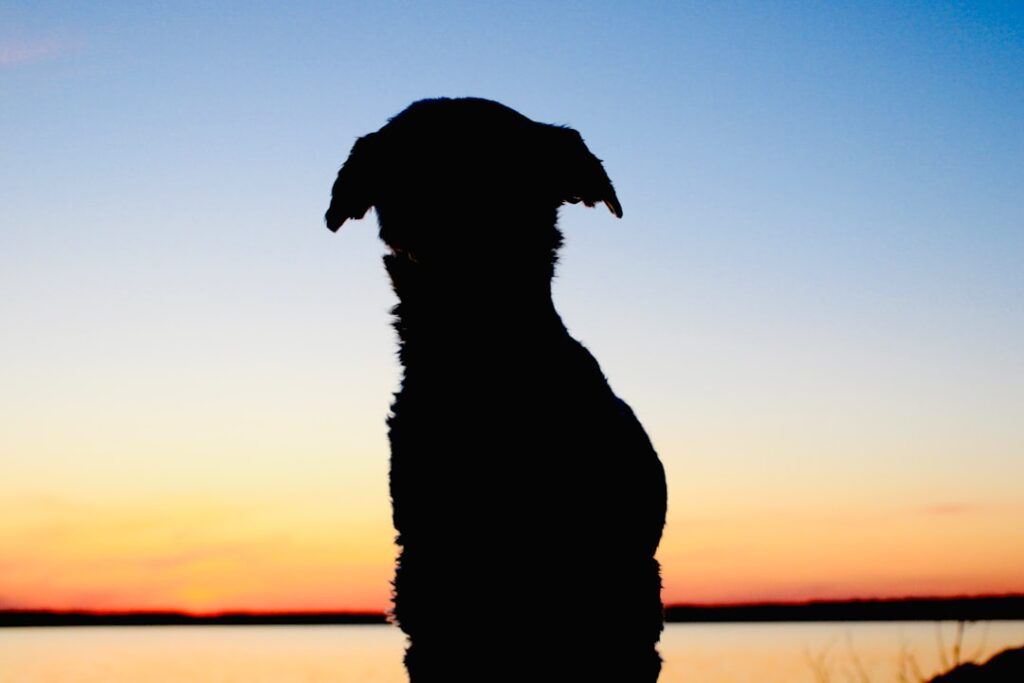
Losing a beloved pet is never easy. Our animal companions are cherished members of the family, offering comfort, joy, and loyalty. When the time comes to say goodbye, Moore, Oklahoma pet owners want to honor their pets with dignity while considering the environment. Aquamation, also known as alkaline hydrolysis or water cremation, is emerging as a thoughtful, eco-friendly alternative to traditional pet cremation and burial. Let’s explore what pet aquamation is, how it works, and why it’s a sustainable option particularly suited to the values and lifestyle of our Moore community.
Photo by Laura Mann
Photo by Laura Mann on Unsplash
What is Pet Aquamation?
Aquamation is a gentle, water-based process for the aftercare of pets. Unlike flame cremation, which uses intense heat to reduce a body to ashes, aquamation uses water, alkali (a gentle base), and time to return remains to their natural elements. The process is rooted in a scientific method called alkaline hydrolysis, which has been used for years in medical and laboratory settings for natural tissue processing.
Many Moore pet owners are hearing about aquamation for the first time as local providers adopt this compassionate, earth-friendly technology.
How Does Aquamation Work?
The aquamation process honors the natural cycle of life and is both efficient and respectful. Here’s a step-by-step overview:
Preparation: The pet’s body is placed in a stainless steel chamber. The chamber is filled with a gentle solution of 95% water and 5% alkali, often potassium hydroxide or sodium hydroxide—substances found in household soaps.
The Process: The water and alkali solution is heated (but not boiled) and gently circulated around the body for several hours (usually between 6 and 20 hours, depending on size).
Natural Breakdown: Through natural chemical reactions—essentially accelerating what would happen over many years in nature—the process breaks down organic material, leaving only bone fragments and a sterile liquid.
Final Steps: The bone remains, which are softer and whiter than those from flame cremation, are processed into a fine powder (commonly called “cremains” or ashes) and returned to the family in a respectful urn.
Environmental Release: The remaining liquid is sterile, completely free from DNA, and is returned safely to the environment (typically through local wastewater systems where it is further processed, just like typical wastewater).
Why Aquamation is Eco-Friendly
Choosing how to memorialize a pet is deeply personal, but an ever-growing number of Moore residents are embracing aquamation for its minimal impact on the environment. Unlike flame cremation, aquamation:
Saves Energy: It does not burn fossil fuels or release harmful greenhouse gases, as flame cremation does. In fact, it uses about 90% less energy.
Reduces Emissions: There’s no smoke, mercury, or dioxin emissions released into the air—an important environmental safeguard for Oklahoma’s famously wide skies.
Leaves No Toxic Byproducts: The solution used is completely broken down, leaving nothing hazardous. The process only produces sterile water and mineral bone fragments.
Uses Less Land: For those who don’t have the space or desire to bury their pet in their yard—or may need to move in the future—aquamation eliminates the need for additional land use, while allowing you to keep your pet’s memory close.
Aquamation and the Moore, Oklahoma Lifestyle
Moore, Oklahoma is known for its strong community spirit and appreciation for nature, evident in our local parks, walking trails, and family-friendly neighborhoods. Pet aquamation fits perfectly with the values held by many here:
Respect for Nature: Many Moore households enjoy outdoor living and gardening. With aquamation, pet ashes can be safely scattered in a favorite spot—be it a backyard garden, local park, or even incorporated into a memorial planting, reflecting a harmonious cycle of life.
Photo by Zan Rodriguez
Photo by Zan Rodriguez on Pexels
Storm Resilience: With Oklahoma’s unpredictable weather, including springtime tornadoes, some families are hesitant to choose backyard burial for fear of disturbing pet graves. Aquamation provides peace of mind, allowing pets to be honored in a way that endures through any weather.
Community Values: Moore’s commitment to kindness, responsibility, and innovation is reflected in choosing aftercare options that are gentle for both our pets and the environment.
Common Questions About Pet Aquamation
Is aquamation legal in Oklahoma?
Yes. Aquamation is regulated and legal for pets in Oklahoma. More providers are beginning to offer it as awareness and demand grow.
Is it more expensive than cremation?
The cost is generally comparable to traditional cremation services, but varies by provider and options chosen. Many Moore families find the environmental benefits and gentler process worth the investment.
Will I still receive ashes?
Yes. You will receive your pet’s ashes, just as you would with flame cremation, but they will be lighter in color and finer in texture.
Can I use my pet’s ashes for a memorial?
Absolutely! Many families use aquamation ashes for keepsake jewelry, urns, scattering ceremonies, or memorial plantings.
Honoring Your Pet’s Life Sustainably
There’s no one right way to say goodbye to a cherished pet, but Moore, Oklahoma pet owners have a unique opportunity to lead with compassion—for animals and for our planet. Aquamation honors the cycle of life while minimizing environmental impact, bringing peace of mind to families when they need it most. As awareness grows, more families are embracing aquamation as a gentle, forward-thinking, and meaningful way to remember their pets. For Moore residents rooted in community and care for the natural world, aquamation truly reflects our values.
If you’re considering aftercare for your furry friend, ask your local veterinary clinic or pet aftercare provider about aquamation. You’ll be joining a movement that honors both your pet’s legacy and the world they loved.